Ashes Burial 骨灰埋葬
除了骨灰位/福地,還有一個選擇的!那就是——骨灰埋葬!“死者爲大,入土爲安”。由於面積較小,價格比直接土葬便宜,在各風水學中認爲,骨灰福地也存在一定的風水氣場。能享有入土為安的往生者,表示了其後人非富即貴的身份象徵。土葬主要是佔用土地,落葉歸根、入土爲安、福蔭兒孫就是土葬的一貫的説法:歸根曰靜,靜曰複命。
汗流浹背掃墓,兒孫聚集一堂是溫馨融洽才是重要。城市地寸金尺土。火化入土跟土葬一樣,與土地有著重要的關係,俗雲: 「入土養骨」骨灰土葬與大地的緣比較深密,有著根土葬一樣的好處,可以藉由土地與骨灰相互磁場能量的影響庇蔭後世子孫。 骨灰葬地換而言之就是火化後把骨灰放入甕內一同葬在地底下一緻兩尺左右的深度。適合講究環保又想留個好風水給後代子孫的人或者夫妻一個要土葬一個要火葬的解決方案。
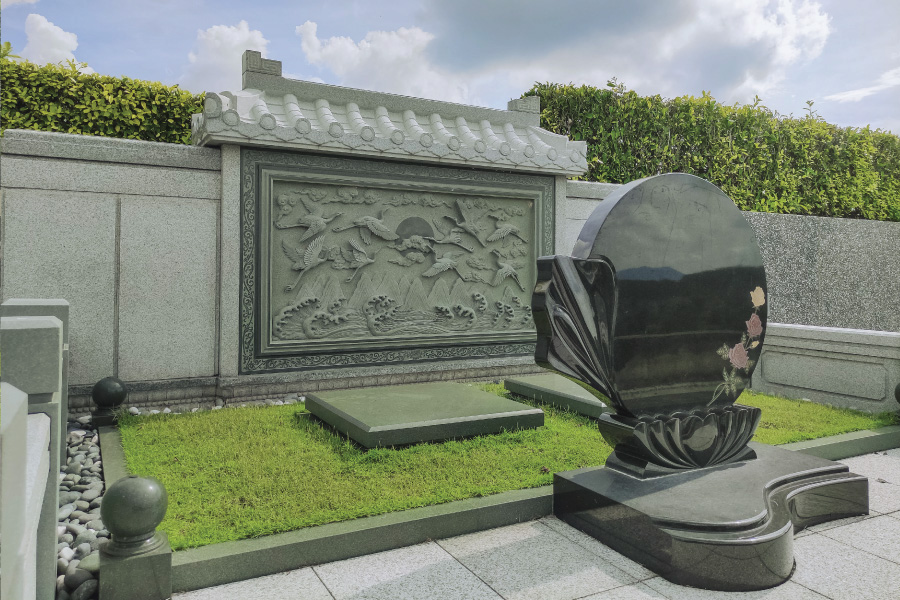
Ashes Burial offers an alternative to niches or full-body burial. It honors the belief of “returning to the earth,” while using a smaller footprint and typically costing less than traditional burial. In feng-shui tradition, an ash burial ground is thought to carry auspicious energy for descendants. Families can still gather to tend the grave, preserving the warmth and meaning of memorial rites—especially valuable where urban land is limited.
In practice, the cremated remains are sealed in an urn and buried in the earth at about 60 cm / 2 ft depth. Ash interment keeps a tangible bond with the land, much like full burial, yet remains an eco-minded choice. It’s also a practical solution when spouses or family members have different preferences—one favoring cremation, the other wishing for the peace of being laid to rest in the soil.
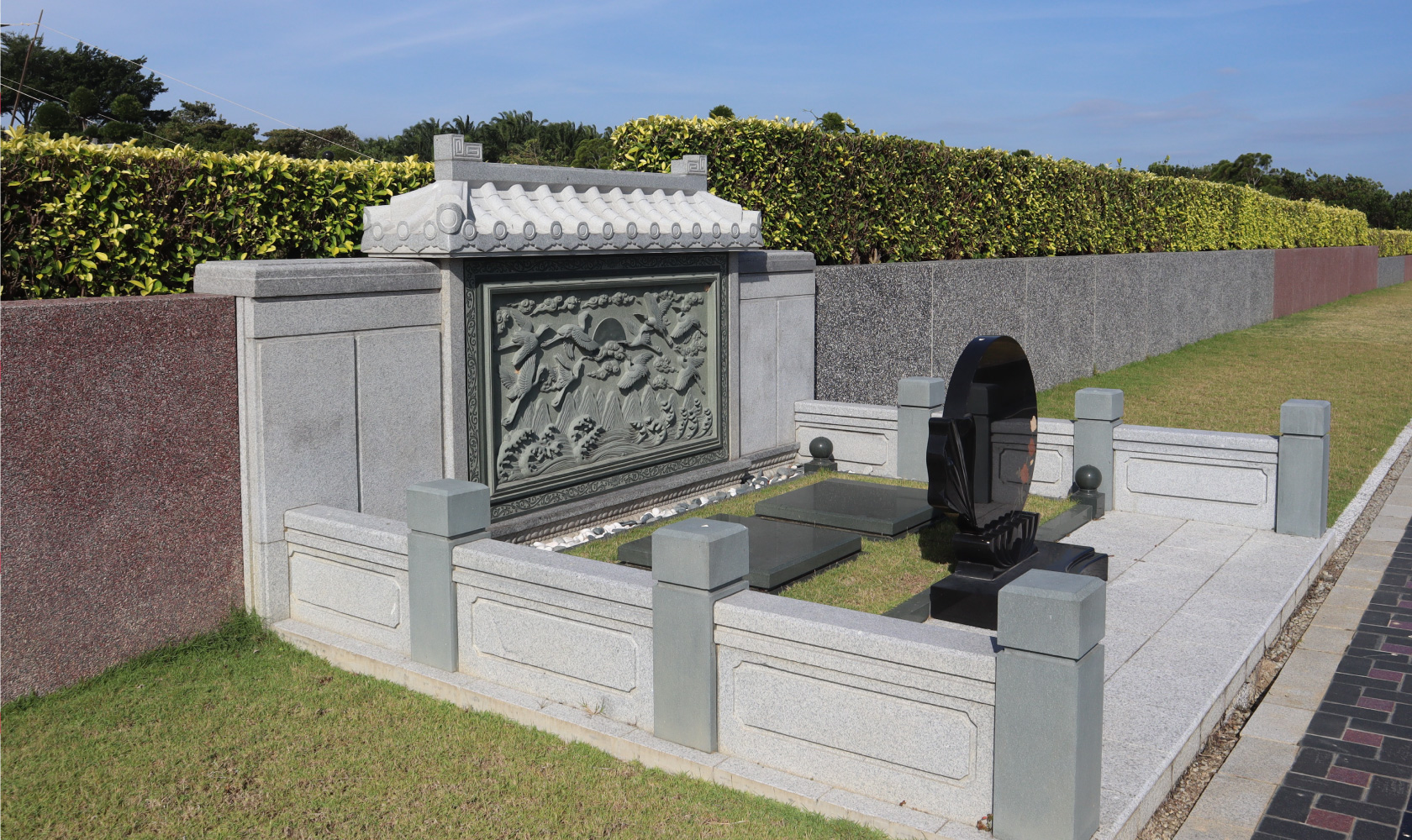

Ashes Burial 骨灰埋葬
面積 :24’X 36’

Ashes Burial 骨灰埋葬
面積 :24’X 36’

Ashes Burial 骨灰埋葬
面積 :3’X 6’